

Fine lines, acne scars, uneven texture, hyperpigmentation. Most of these skin concerns share a common thread: your skin’s natural repair process has slowed down or stalled. Microneedling restarts this by triggering collagen and elastin production, building real improvement with each session. Our microneedling treatment is performed by trained medical professionals who adjust every session to your specific concerns, bringing you real and natural results.
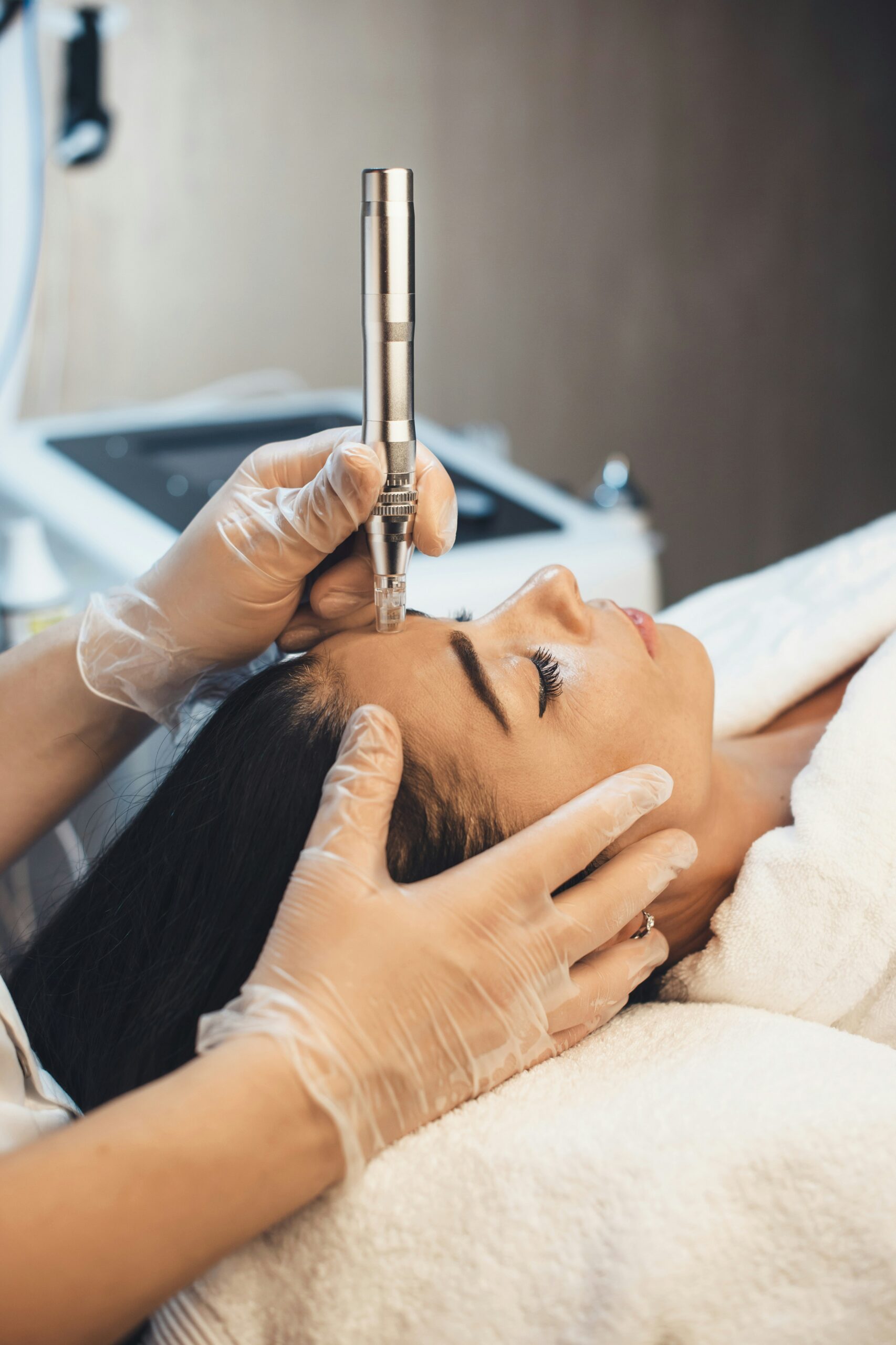
Microneedling works across a wide range of skin concerns, but it’s particularly well-suited for patients who want real structural improvement rather than surface-level results. If you’ve tried topicals without seeing the change you’re looking for, or you’re dealing with texture and scarring that skincare can’t address, microneedling is worth a conversation.
You’ll be an ideal candidate for microneedling if:
While you may find package pricing, a typical microneedling session can cost anywhere from $200 to $700.
This is considered elective and is not covered by insurance. It is self-pay but we accept a variety of payment methods. We’re happy to discuss all of your options to help make your wellness journey accessible and stress-free.
We offer CareCredit payment plans as a convenient option to consumer credit cards, cash or checks for purchases over $200. CareCredit allows you to pay over time often without incurring interest charges rather than paying a lump sum prior to treatment. Applying is easy!

Arrive with clean skin and no active makeup, SPF, or skincare products. In the days leading up to your appointment, it’s best to avoid retinoids, exfoliants, and any prescription topicals that increase skin sensitivity. Depending on your providers’ guidance, of course, we advise stopping these for around five to seven days prior. If you’re prone to cold sores, let your provider know before your appointment as a precaution. Sun exposure should also be limited in the week before treatment.
A topical numbing cream is applied at the start of your appointment and takes about 20 to 30 minutes to take effect.
Once the numbing cream has taken effect, your provider uses a microneedling device to create precise, controlled micro-channels across the treatment area. The device is passed over your skin in overlapping patterns, with needle depth adjusted based on the area being treated and the concern being addressed.
Thinner skin around your eyes requires shallower settings than areas like your cheeks or forehead. The treatment itself usually takes 30 to 60 minutes depending on the size of the area. You’ll feel pressure and mild heat during the session, but most patients find it manageable with the numbing cream in place.
For the first 24 hours, keep your skin clean and avoid anything that could introduce bacteria or irritation, including no makeup, no active skincare ingredients, no sweating, and no direct sun. Redness and mild swelling are normal and typically resolve within one to three days.
After 24 to 48 hours, gentle moisturizer and mineral SPF can be reintroduced but it’s best to avoid retinoids, acids, and exfoliants for at least five days post-treatment. Your provider will give you specific aftercare instructions based on the depth of your treatment, but the general rule is to keep your skin calm, clean, and protected while it heals.
Microneedling works by triggering your skin’s wound-healing response without causing surface damage, offering benefits such as:
Results from microneedling are gradual because they depend on your skin’s natural collagen production cycle. Most patients see initial improvement in skin texture and tone within two to four weeks of their first session. Deeper concerns like acne scarring, significant laxity, or stretch marks typically require a series of three to six treatments spaced four to six weeks apart before seeing meaningful change.
You’ll notice improvement for several months after the final session as collagen remodeling completes. Before and after results vary based on the concern being treated, the depth of treatment, and how consistently a patient follows their recommended series.
Results from microneedling are gradual because they depend on your skin’s natural collagen production cycle. Most patients see initial improvement in skin texture and tone within two to four weeks of their first session. Deeper concerns like acne scarring, significant laxity, or stretch marks typically require a series of three to six treatments spaced four to six weeks apart before seeing meaningful change.
You’ll notice improvement for several months after the final session as collagen remodeling completes. Before and after results vary based on the concern being treated, the depth of treatment, and how consistently a patient follows their recommended series.
Results from a full treatment series usually last six months to a year before maintenance is recommended. Collagen production naturally slows with age, so the timeline varies by patient. If you follow a consistent skincare routine, protect your skin from sun exposure, and return for maintenance sessions, you’ll find your results hold for longer. One session is not a substitute for a full series when treating structural skin concerns.
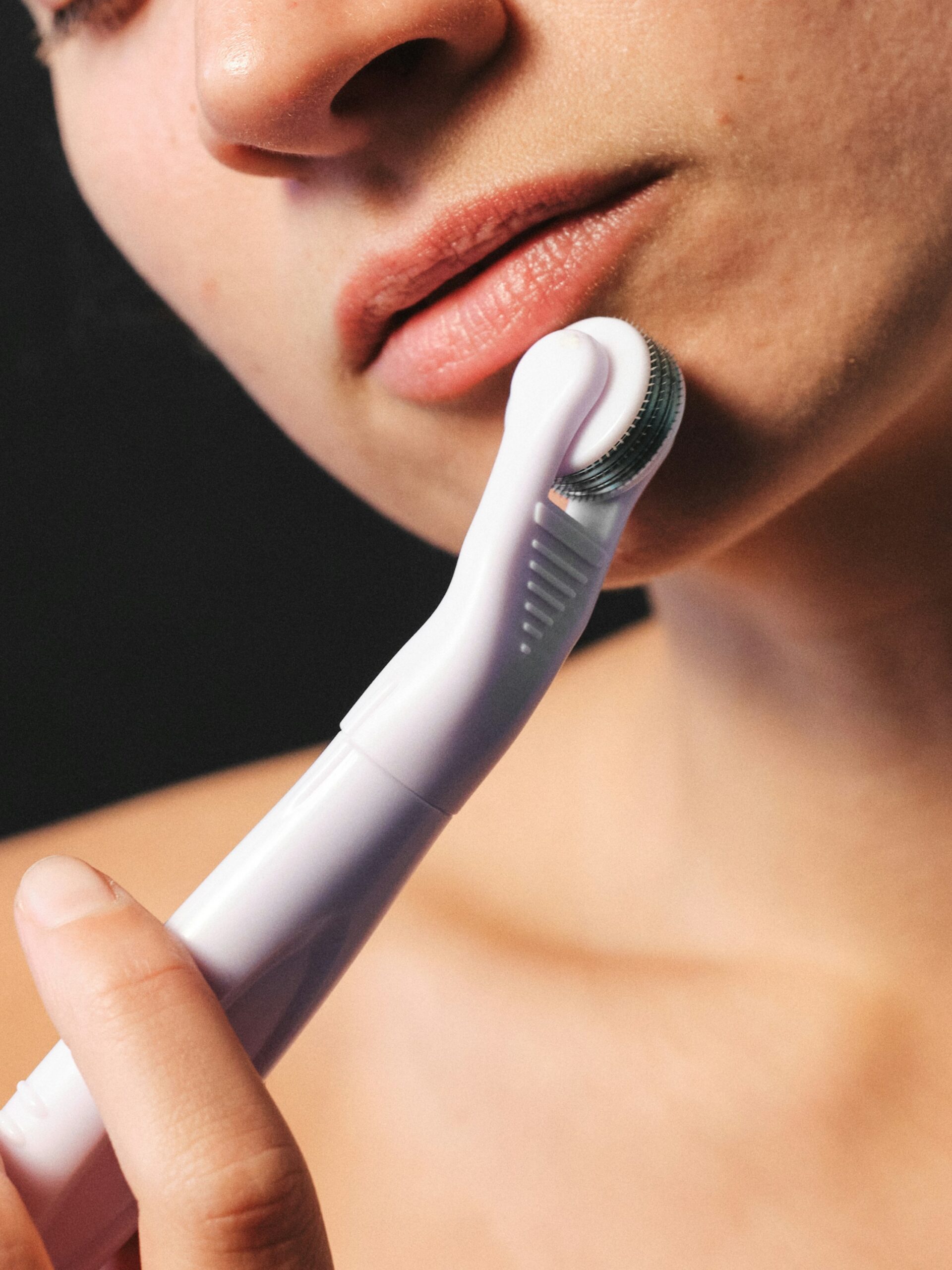
Acne scars form when inflammation from a breakout damages the collagen in the dermis. Depending on how your skin heals, that damage shows up as indented atrophic scars, raised hypertrophic scars, or flat discoloration. Microneedling is most effective for atrophic scarring, the pitted, depressed scars that are common after cystic or inflammatory acne.
The mechanism is straightforward: the micro-channels created during treatment break up fibrotic scar tissue and signal the skin to produce new collagen in its place. Over a series of sessions, the indentation fills in gradually as the new collagen restructures the dermal layer. Results are not immediate. The collagen remodeling process takes time, and most patients see meaningful improvement after three to six sessions spaced four to six weeks apart.
Depth matters significantly with acne scar treatment. Shallow settings won’t reach the dermal layer where scar tissue lives. A provider who can adjust needle depth based on scar type and skin thickness will get better results than a standard protocol.
Microneedling for acne scars works best when the skin is no longer actively breaking out. Treating active acne with microneedling can spread bacteria and worsen inflammation. If you’re managing ongoing breakouts, that should be addressed first before starting a microneedling series for scarring.
Microneedling for hair loss works by stimulating blood flow and growth factors in your scalp, creating an environment more hospitable to active hair follicles. The micro-injuries trigger the release of platelet-derived growth factor and other signals that support follicle health, extending the growth phase of your hair cycle.
It’s most commonly used for androgenetic alopecia, the pattern of hair loss that affects both men and women, as well as alopecia areata. The research supporting microneedling for hair loss is growing, with several studies showing improved hair count and density when microneedling is used alongside topical treatments like minoxidil. The micro-channels created during treatment also improve absorption of topicals applied immediately after, which is why the two are often combined.
Results take time. Hair growth cycles are long, and changes in density or thickness typically become visible three to six months into a consistent treatment series. Microneedling is not a standalone cure for significant hair loss, but it is a useful addition to a broader hair restoration protocol, particularly for patients who want to avoid or delay medication.
Our team performs scalp microneedling with the same clinical precision as facial treatments, with needle depth and technique adjusted for the scalp rather than applying a facial protocol to a different area.
Microneedling for marionette lines targets one of the more stubborn signs of facial aging. Marionette lines run from the corners of your mouth downward toward your chin. They form as your skin loses collagen and elastin with age and the soft tissue below loses volume and support. The result is a downward pull at the corners of the mouth that can make your face look more tired or heavier than it is.
Microneedling addresses marionette lines by stimulating new collagen production in the dermis along and around these lines. Over a series of treatments, the dermal matrix thickens and the skin becomes firmer, which reduces the depth and definition of these lines. It won’t eliminate deep marionette lines the way filler or surgical correction can, but for early to moderate lines it can produce visible softening without the need for injectables.
It’s also a good maintenance option for patients who have had filler placed in the area and want to extend results between appointments. Microneedling can improve the underlying skin quality rather than relying solely on volume replacement.
Treatment in this area requires careful attention to needle depth since the skin around your mouth varies in thickness. Our technique is adjusted for the specific anatomy of the area rather than using a uniform approach across your full face.
Microneedling supports hair growth by improving the conditions at the scalp level that hair follicles need to function well. The micro-channels created during treatment increase blood circulation to your scalp, which delivers more oxygen and nutrients to follicles that may be in a weakened or dormant state. The controlled injury response also triggers growth factors that can reactivate follicles that have slowed production.
For patients dealing with thinning rather than complete hair loss, microneedling is a useful option for extending the active growth phase of the hair cycle and improving overall hair density over time. It’s particularly effective when combined with topical growth-supporting treatments applied immediately after the session, since the micro-channels significantly increase absorption.
A consistent series is necessary to see results. Hair growth cycles span several months, so changes in thickness and density take time to become visible. Most patients who complete a series of four to six sessions spaced three to four weeks apart begin to notice improvement around the three to four month mark.
Scalp microneedling is not a replacement for medical treatment of underlying conditions that contribute to hair loss, but it is a well-tolerated, non-pharmaceutical option that can meaningfully support hair restoration when used as part of a broader plan.
Stretch marks form when your skin is forced to expand faster than the underlying collagen and elastin fibers can accommodate, causing them to tear. The resulting marks, whether from pregnancy, rapid weight change, or growth spurts, are a form of scar tissue in the dermis. Like other types of scarring, they respond to treatments that stimulate new collagen production.
Microneedling for stretch marks works the same way it does for acne scars, breaking up the existing scar tissue and prompting the skin to lay down new collagen in its place. Over time, the texture of the stretch mark smooths out and the color difference between the mark and surrounding skin diminishes. Newer, red or purple stretch marks typically respond faster than older, white or silver ones, which have been present long enough for the tissue to fully mature.
Treatment depth for stretch marks needs to be deeper than facial microneedling since the dermis on the abdomen, thighs, or hips is thicker. Sessions are spaced four to six weeks apart and most patients require four to six treatments to see significant improvement. Results continue developing for several months after the final session as collagen remodeling progresses.
With body microneedling, our team uses settings appropriate for the treatment area rather than applying facial parameters to thicker skin.
Hyperpigmentation occurs when melanocytes in your skin produce excess melanin in response to inflammation, UV exposure, or hormonal changes. The result is flat dark patches, post-inflammatory marks from acne, sun spots, or melasma that make the complexion look uneven.
Microneedling addresses hyperpigmentation by accelerating skin cell turnover and breaking up existing pigment deposits as new collagen forms in the treated area. The micro-channels also improve absorption of brightening serums applied during or immediately after treatment, which enhance results when the right topicals are paired with the session.
It’s important to be precise about what microneedling can and can’t do for hyperpigmentation. It works well for post-inflammatory hyperpigmentation and superficial sun damage. Melasma requires more careful management since any heat or inflammation can stimulate melanocytes and worsen the condition if not approached correctly. Patients with melasma should discuss their history with their provider before starting treatment.
Sun protection before and after microneedling is non-negotiable when treating pigmentation. UV exposure after treatment can undo results and trigger new pigment formation. Consistent SPF use between sessions is as important as the treatment itself.
Skin laxity develops gradually as collagen and elastin production slows with age. The skin loses the structural support that keeps it firm, and the result shows up as softening along your jawline, looseness in your neck, and a general loss of definition that builds over time.
Microneedling addresses skin tightening by stimulating new collagen and elastin production in the dermis. As that new tissue forms over weeks and months following treatment, your skin becomes measurably firmer and more resilient. The improvement is incremental rather than dramatic, which means it works best as part of a consistent treatment plan rather than a one-time session.
For mild to moderate laxity, microneedling can produce meaningful tightening results, particularly when a series is completed and maintenance sessions follow. For more advanced laxity, microneedling can be part of a broader treatment plan that includes laser or surgical options.
Results from a skin tightening series continue developing for up to six months after the final session as collagen remodeling progresses. Patience with the timeline is part of the process.